
What Are Medical Scrubs? Complete Guide for Hospitals & Healthcare Brands
Learn everything about medical scrubs, including types, fabrics, colors, manufacturing, customization, and how healthcare brands source high-quality medical scrubs.
What Are Medical Scrubs?
Medical scrubs are specialized healthcare uniforms worn by doctors, nurses, surgeons, technicians, and other healthcare professionals in hospitals, clinics, laboratories, and healthcare facilities. Designed for hygiene, comfort, durability, and functionality, medical scrubs have become the global standard for professional healthcare apparel.
Modern medical scrubs are engineered to support long working hours, infection control, mobility, and professional appearance. Today’s healthcare uniforms are available in multiple styles, fabrics, colors, and fits tailored for different medical environments.
For hospitals, distributors, and startups entering the healthcare apparel industry, understanding medical scrubs is essential for selecting the right products, fabrics, and manufacturing solutions.
The Purpose of Medical Scrubs
Medical scrubs were originally designed to create a sterile and hygienic environment inside operating rooms. Over time, they evolved into everyday healthcare workwear used across nearly every medical department.
The main purposes of medical scrubs include:
Maintaining hygiene standards
Reducing contamination risks
Providing comfort during long shifts
Allowing easy movement
Creating a professional appearance
Supporting healthcare department color coding
Today, healthcare organizations prioritize scrubs that combine durability, breathability, moisture management, and modern fit designs.
History of Medical Scrubs
Before scrubs became standard medical clothing, healthcare professionals often wore white uniforms and lab coats. In the early 20th century, surgeons began wearing green and blue surgical attire to reduce eye strain during operations and improve visibility under bright operating room lights.
Over the decades, scrubs evolved from basic loose garments into performance-focused healthcare apparel with features such as:
Stretch fabrics
Antimicrobial technology
Moisture-wicking materials
Wrinkle resistance
Modern tailored fits
Multiple storage pockets
Today, medical scrubs are an essential part of healthcare operations worldwide.
Types of Medical Scrubs
Medical scrubs are available in several categories depending on healthcare roles, workplace requirements, and user preferences.
Scrub Tops
Scrub tops are upper garments designed for mobility and comfort. Common styles include:
V-neck scrub tops
Mock wrap scrub tops
Mandarin collar scrubs
Long sleeve scrub tops
Stretch performance tops
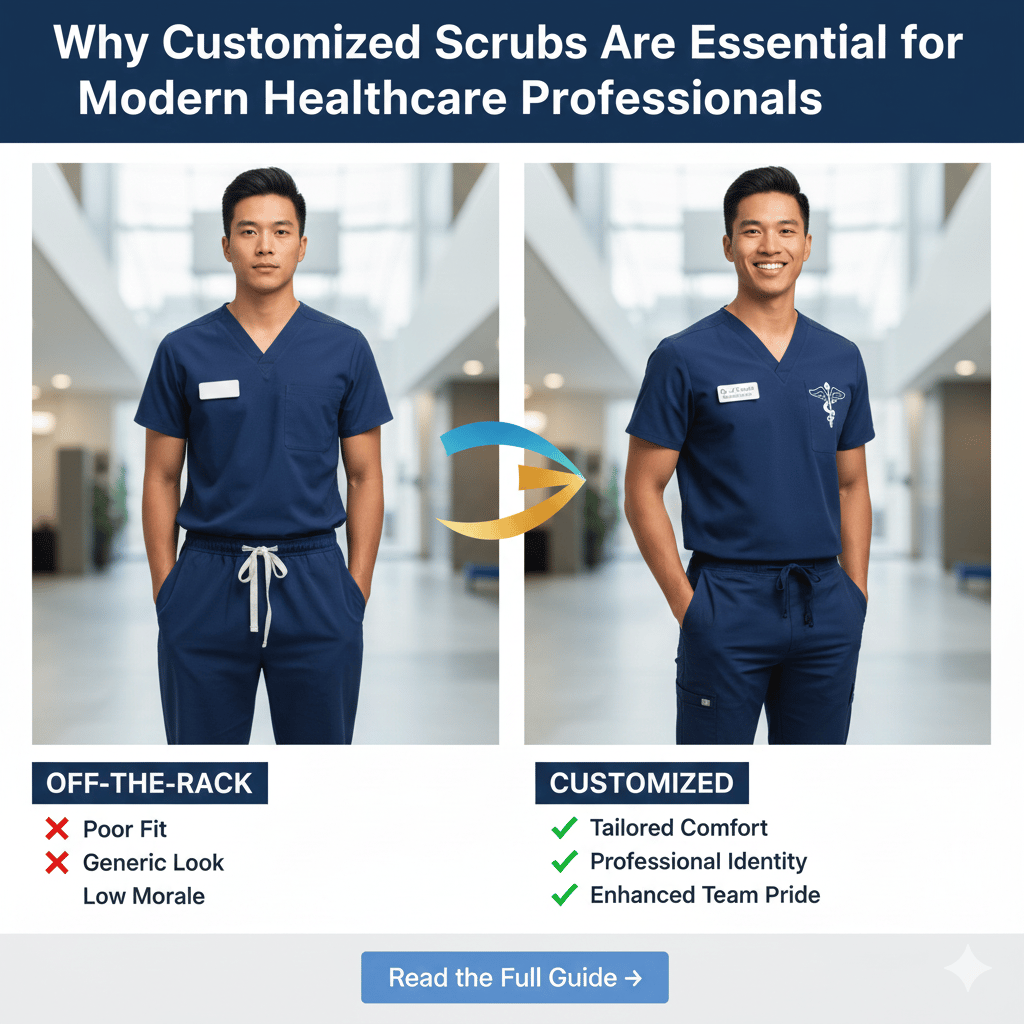
Many healthcare organizations customize scrub tops with embroidery, department logos, and employee names.
For clinics and healthcare brands looking for customization options, custom scrub manufacturing allows complete control over fit, branding, colors, and fabric selection.
Scrub Pants
Scrub pants are designed for comfort during extended work shifts. Popular styles include:
Straight leg scrub pants
Jogger scrub pants
Wide leg scrub pants
Cargo scrub pants
Elastic waist scrub pants
Modern healthcare professionals increasingly prefer jogger and tailored scrub pants because of their contemporary fit and flexibility.
Healthcare brands often develop private label scrub collections featuring customized fits and functional pocket configurations.
Surgical Scrubs
Surgical scrubs are designed specifically for operating room environments. These scrubs prioritize:
Sterility
Breathability
Lightweight performance
Fluid resistance
Comfort during long procedures
Traditionally, surgery scrubs are available in green and blue shades because these colors help reduce visual fatigue during surgery.
Maternity Scrubs
Maternity scrubs provide additional comfort and flexibility for pregnant healthcare workers. These designs usually feature:
Stretch waistbands
Adjustable sizing
Soft fabric blends
Extra flexibility
Specialty Medical Scrubs
Specialized scrubs are designed for departments with unique requirements, such as:
Laboratory scrubs
Dental scrubs
Veterinary scrubs
Pediatric scrubs
Emergency room scrubs
These specialty uniforms may include department-specific colors, performance features, or branding.
Common Fabrics Used in Medical Scrubs
Fabric selection is one of the most important factors in medical scrub manufacturing. Different fabrics affect comfort, durability, breathability, and overall performance.
Cotton Medical Scrubs
Cotton scrubs are popular because they are:
Soft
Breathable
Comfortable
Skin-friendly
Many healthcare professionals prefer cotton-rich scrubs for daily wear because they provide natural comfort during long shifts.
However, pure cotton may wrinkle more easily and absorb moisture faster than synthetic blends.
Polyester Blend Scrubs
Polyester blends are widely used in modern medical scrubs because they offer:
Durability
Wrinkle resistance
Color retention
Faster drying
Lower maintenance
Most hospitals and healthcare brands use polyester-cotton blends for long-term durability and professional appearance.
Stretch Fabric Scrubs
Stretch scrubs include materials such as spandex or elastane blended into the fabric. These scrubs provide:
Enhanced mobility
Better flexibility
Athletic-style comfort
Improved fit
Stretch scrubs are especially popular among nurses and active healthcare professionals.
Antimicrobial Medical Scrubs
Antimicrobial scrubs are engineered with specialized treatments designed to help reduce microbial growth on fabric surfaces.
These scrubs are increasingly used in:
hospitals
surgical centers
laboratories
high-contact healthcare environments
Many healthcare organizations now prioritize antimicrobial fabrics as part of modern infection-control strategies.
Popular Medical Scrub Colors and Their Meanings
Color coding is commonly used in healthcare settings to identify departments and roles.
Navy Blue Medical Scrubs
Navy blue scrubs are among the most popular options because they appear professional, clean, and authoritative.
Commonly worn by:
nurses
physicians
healthcare administrators
Green Surgical Scrubs
Green scrubs are traditionally associated with surgery because green helps reduce eye fatigue under bright surgical lighting.
These scrubs are commonly worn by:
surgeons
surgical assistants
operating room staff
Black Medical Scrubs
Black scrubs have become popular in premium healthcare apparel because they provide:
a modern appearance
stain resistance visibility
professional style
White Medical Scrubs
White scrubs are commonly used in:
laboratories
dental clinics
specialized healthcare facilities
Features of High-Quality Medical Scrubs
Premium medical scrubs combine comfort, durability, and functionality. Key features include:
Moisture-Wicking Technology
Helps keep healthcare workers dry during long shifts.
Four-Way Stretch
Improves flexibility and mobility.
Reinforced Stitching
Enhances durability in high-stress areas.
Functional Pockets
Allows professionals to carry tools and accessories efficiently.
Fade Resistance
Maintains professional appearance after repeated washing.
How Medical Scrubs Are Manufactured
Modern medical scrub manufacturing involves several stages:
1. Fabric Selection
Manufacturers choose fabric blends based on:
durability
comfort
stretch
antimicrobial performance
breathability
2. Pattern Development
Patterns are developed according to:
fit specifications
sizing requirements
style preferences
3. Cutting and Sewing
Fabric panels are cut and stitched using industrial equipment to ensure consistency and durability.
4. Quality Control
Every scrub set undergoes inspections for:
stitching quality
sizing accuracy
fabric consistency
finishing quality
5. Branding and Embroidery
Private label healthcare brands often add:
custom logos
woven labels
embroidery
packaging
Private Label Medical Scrubs
Private label medical scrubs allow businesses to create their own healthcare apparel brand without owning a manufacturing facility.
With private label manufacturing, healthcare brands can customize:
fabric
colors
sizing
logos
packaging
labels
embroidery
fit styles
This model is increasingly popular among:
healthcare startups
distributors
clinics
ecommerce brands
hospital procurement companies
How Hospitals Choose Medical Scrubs
Healthcare organizations evaluate several factors when sourcing medical scrubs:
Comfort
Healthcare professionals wear scrubs for long hours, making comfort essential.
Durability
Scrubs must withstand frequent industrial washing.
Fabric Performance
Hospitals increasingly prioritize:
antimicrobial fabrics
stretch materials
moisture management
Branding
Many organizations prefer customized embroidered uniforms for a professional appearance.
Supplier Reliability
Hospitals often work with manufacturers that provide:
consistent quality
bulk production
custom development
reliable delivery timelines
Trends in Modern Medical Scrubs
The healthcare apparel industry continues evolving rapidly.
Popular trends include:
sustainable scrub fabrics
recycled polyester materials
athleisure-inspired fits
tailored silhouettes
jogger scrub pants
gender-inclusive sizing
antimicrobial technologies
performance stretch fabrics
Modern healthcare workers increasingly prefer scrubs that combine professional functionality with athletic-style comfort.
Choosing the Right Medical Scrubs for Your Brand
If you are developing a healthcare apparel brand, selecting the right manufacturing partner is critical.
Key considerations include:
fabric quality
customization options
MOQ requirements
sampling process
production capacity
quality control
embroidery capabilities
shipping reliability
Working with an experienced medical scrub manufacturer can help healthcare brands create competitive, high-quality products for hospitals and healthcare professionals.
Conclusion
Medical scrubs are far more than standard healthcare uniforms. They play a critical role in comfort, hygiene, mobility, branding, and professional identity across the healthcare industry.
As demand for premium healthcare apparel continues growing, hospitals, distributors, and healthcare brands increasingly seek high-quality custom medical scrubs with advanced fabric technologies and modern fits.
Whether you are sourcing scrubs for a clinic, launching a private label healthcare apparel brand, or expanding your medical uniform business, understanding scrub fabrics, manufacturing processes, customization options, and industry trends is essential for long-term success.
For businesses looking to develop premium custom medical scrubs, partnering with an experienced manufacturer ensures consistent quality, customization flexibility, and scalable production solutions.
Medlooms – Premium Medical Apparel Manufacturing
Medlooms is a professional medical apparel manufacturing company based in Pakistan, specializing in high-quality medical scrubs and healthcare uniforms. We offer a fully integrated production process from fabric sourcing to garment manufacturing, ensuring consistent quality and reliability.
Contact
Connect
+1 (913) 733-7634
© 2025. All rights reserved.
modexapparel llc